Vintage Floral Fish Illustration Review
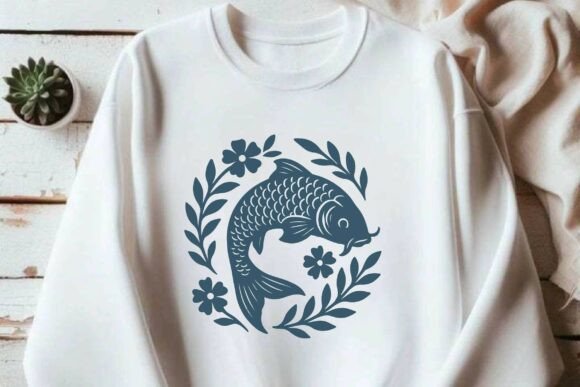
As a designer who spends more time staring at stitch density charts and fabric swatches than sleeping, I approach every new digital asset with a healthy dose of skepticism. The market is flooded with generic clip art that looks terrible when blown up to 5x7 inches on a sweatshirt. However, Vintage Floral Fish Illustration caught my eye not because of its novelty, but because of its potential for texture and narrative. This isn't just a fish; it is a vintage floral fish illustration that suggests a specific mood—one of nostalgia, coastal charm, and artisanal care. In this review, I am evaluating this design strictly from the perspective of an embroidery professional considering it for real-world projects, client work, and small business merchandise.
First Impressions: Mood and Visual Personality
The moment you open the file, the first thing that strikes you is the aesthetic coherence. We are not dealing with a modern, minimalist line drawing here. Instead, this piece leans heavily into a romantic, old-world vibe. The integration of floral elements with the aquatic subject creates a whimsical yet grounded composition. For an embroidery project, this balance is crucial. If the design were too busy, the stitching would become muddy. If it were too sparse, it might look unfinished on a garment.
The visual personality of Vintage Floral Fish Illustration feels like something you would find in a grandmother’s attic—perhaps pressed in an old book or painted on a ceramic tile. It has a "handmade" feel even before it touches the needle. This is a significant advantage for craft business owners and Etsy sellers because it naturally communicates quality and thoughtfulness. When a customer sees this on a tote bag or a nursery wall hanging, they don’t just see a fish; they see a story. That emotional connection is what drives sales in the handmade sector.
Real-World Application: Where Does This Design Shine?
I spent some time mentally mapping out where Vintage Floral Fish Illustration would perform best. Embroidery is a tactile medium, so the substrate matters as much as the design itself. Here is how I see this machine embroidery design translating to finished products:
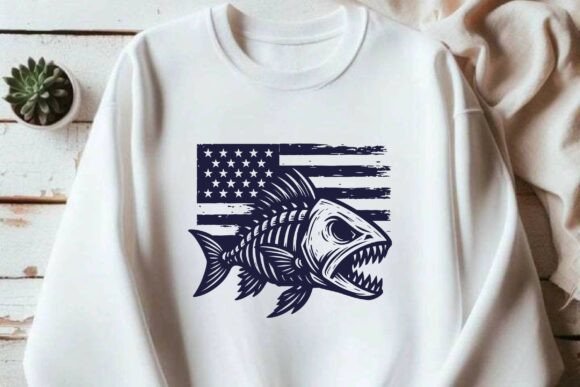
- Custom Apparel and Sweatshirts: Imagine this placed over the heart of a cream-colored or soft grey crewneck sweatshirt. The vintage tones would pop beautifully against neutral backgrounds. It works particularly well for sweatshirt embroidery intended for autumn or spring collections, appealing to customers who love cottage-core or coastal grandmother aesthetics.
- Home Decor and Textiles: This design is perfect for kitchen towels, tea towels, or linen napkins. The vertical orientation often found in these illustrations fits well on the narrow width of a towel. Alternatively, placing it on a pillow cover in a muted sage or dusty blue fabric would create a stunning focal point in a living room or bedroom.
- Baby and Nursery Items: There is a gentle, non-aggressive quality to the floral-fish hybrid that makes it suitable for baby clothes. A onesie or a burp cloth featuring this baby embroidery design would be a hit at baby showers. It avoids the cliché of standard cartoon animals, offering something more sophisticated for parents who appreciate unique design assets.
- Accessories and Patches: For embroidered patch enthusiasts, this design offers great potential. Whether applied to a denim jacket, a canvas backpack, or a baseball cap, the intricate details hold up well as a standalone accent piece. It adds character without overwhelming the accessory.
Technical Considerations and Stitch Performance
Designing on screen is one thing; executing it in thread is another. When evaluating Vintage Floral Fish Illustration, I had to consider how different stitch types will render the image. The floral components likely rely on a mix of fill stitch for the petals and satin stitch for the outlines to give them definition. The fish body might utilize a combination of running stitch for scales or texture and fill stitches for volume.
The success of this project hinges on stitch density. Vintage styles can sometimes suffer from being too thin, which leads to gaps in coverage, especially on textured fabrics. Conversely, if the density is too high, the fabric may pucker, ruining the drape of the final product. Before committing to a large run, I strongly advise testing the design on scrap fabric. Pay close attention to how the thread colors interact. If the original file uses subtle shading, ensure your thread palette matches those nuances closely. Mismatched threads can flatten the depth of the illustration, making it look two-dimensional and cheap.
Where to Exercise Caution
No design is universally perfect, and Vintage Floral Fish Illustration has specific constraints that designers must respect. Here are the areas where you should proceed with caution:
- Small Hoop Sizes: If you attempt to digitize or use this design in a very small hoop (under 4x4 inches), you risk losing the delicate floral details. Tiny stitches tend to merge together, turning fine lines into blobs. Keep the minimum size generous enough to preserve the artistic integrity of the illustration.
- Textured and Stretchy Fabrics: Avoid using this design on highly textured fabrics like heavy tweeds or thick bouclé wool, as the needle may struggle to penetrate evenly, leading to skipped stitches. Similarly, stretchy knits require a strong stabilizer to prevent distortion. Without proper stabilization, the circular nature of embroidery hoops can distort the fish shape, making it look warped.
- Dense Stitch Areas: Be mindful of dense sections. If the design includes large blocks of solid color, ensure your machine handles the heat generated by continuous stitching. Overheating can cause thread breakage or fabric melting, particularly with synthetic threads on polyester blends.
- Curved Surfaces: While this design could work on a cap, the curvature of the front panel might distort the symmetry of the floral arrangement. Test carefully on curved surfaces to ensure the perspective remains pleasing to the eye.
Impact on Brand and Customer Trust
For small shop product creators, the quality of your design directly impacts your brand perception. Using a generic, low-effort graphic can make a boutique feel mass-produced. In contrast, Vintage Floral Fish Illustration elevates the perceived value of the finished product. It signals that you have curated your assets with care. Customers are increasingly savvy; they can tell the difference between a clip-art stamp job and a thoughtful design application.
This illustration supports brand consistency for businesses that focus on natural, rustic, or vintage themes. It helps build a cohesive visual language across your design assets, whether you are selling physical goods or creating printable mockups for digital downloads. When buyers see a consistent, high-quality aesthetic, their trust in your craftsmanship increases, leading to higher conversion rates and repeat business.
Final Verdict and Practical Advice
Vintage Floral Fish Illustration is a versatile and charming addition to any embroiderer’s library. It bridges the gap between whimsical and elegant, making it suitable for a wide range of applications from personal gifts to commercial merchandise. Its strength lies in its ability to evoke emotion through simple, classic imagery.
To get the most out of this digital embroidery file, remember to always test on scrap fabric first. Check your hoop size compatibility and ensure you are using the appropriate stabilizer for your chosen fabric. Inspect the small details closely, perhaps converting the design to black and white in your software to check contrast levels. Confirm your licensing terms before selling finished items, as this is a digital product that requires respect for intellectual property rights.
If you are looking to add a touch of vintage charm to your next embroidery project, this design delivers. It is practical, visually appealing, and ready to bring a unique flair to your handmade creations. Just remember: the magic happens in the execution, so take your time, choose your threads wisely, and let the design speak for itself.