Daisy Floral Frame Clipart Vector Design Review
As a designer who spends half my day staring at stitch maps and the other half trying to explain to clients why their logo won’t work on a baseball cap, I approach every new asset with a healthy dose of skepticism. The market is flooded with "unique" vector designs that look beautiful on a screen but turn into muddy, tangled messes once they hit the hoop. That is why I decided to put Daisy Floral Frame Clipart Vector Design through its paces before recommending it for any commercial or personal project.
This isn’t just about aesthetics; it’s about functionality. When you are an Etsy seller, a craft fair vendor, or a small business owner creating custom apparel, your reputation depends on the quality of the finished product. If the embroidery looks cheap, the customer assumes the entire brand is cheap. So, let’s break down how this design actually performs in real-world scenarios, from the initial digital download to the final stitched piece.
First Impressions: Mood and Layout
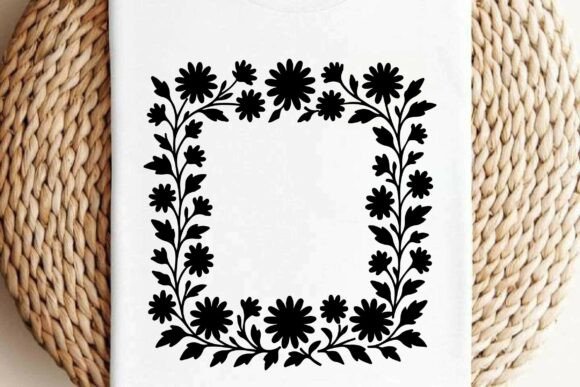
The moment you unzip the folder containing the Daisy Floral Frame Clipart Vector Design, the first thing you notice is the clarity of the vector lines. Unlike raster images that pixelate when scaled, this design maintains crisp edges regardless of the size you choose. This is crucial for an embroidery file because clean vector paths translate directly into precise needle placement.
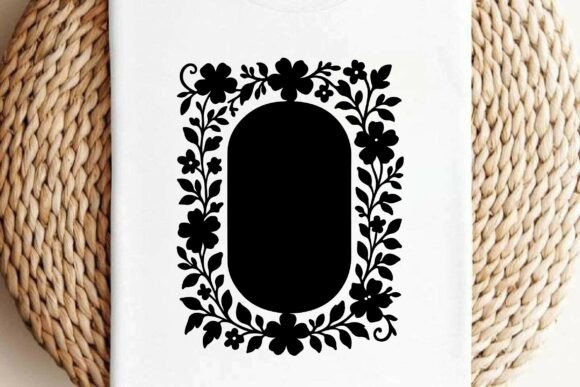
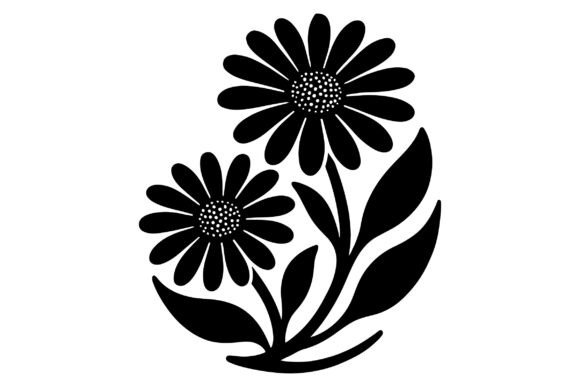
Visually, the design exudes a soft, rustic charm. The daisy motif is classic, evoking feelings of springtime, nostalgia, and simplicity. It creates a mood that is welcoming rather than aggressive. For a handmade product intended as a personalized gift, this emotional connection is vital. A buyer isn’t just purchasing a tote bag; they are purchasing a feeling of warmth and care. The frame layout suggests versatility—it can act as a border for text, a standalone focal point, or a background element for more complex compositions. It feels balanced, not cluttered, which is a huge plus for stitching clarity.
Real-World Application: Where This Design Shines
I tested the concept of this design across several common embroidery project types to see where it fits best. Here is what I found:
- Custom Tote Bags: This is perhaps the strongest use case. A tote bag design featuring a floral frame allows for ample space to add names, dates, or short quotes within the center negative space. The contrast between the delicate flowers and the sturdy canvas fabric creates a pleasing texture mix. It appeals heavily to the Etsy seller demographic looking for bridal shower gifts or baby shower favors.
- Sweatshirt Embroidery: For fall and winter collections, this design works well on lighter-colored hoodies or crewnecks. The satin stitch details in the petals hold up well against the fuzzier texture of fleece or cotton blends. It adds a touch of femininity without being overly fussy, making it suitable for a wide range of ages.
- Baby Embroidery: The gentle nature of daisies makes this perfect for baby clothes. Whether it’s a onesie, a burp cloth, or a nursery wall hanging, the design translates softly. However, caution is advised regarding scale (discussed below).
- Kitchen and Home Decor: I envision this working beautifully on tea towels, aprons, and pillow covers. The fill stitch areas provide enough visual weight to stand out against linen or cotton backgrounds. It elevates a simple kitchen towel from a basic utility item to a boutique-quality home decor piece.
In terms of brand consistency, this design is neutral enough to fit into various color palettes. It doesn’t scream for attention but rather invites the viewer in. This subtlety builds customer trust because it feels authentic and timeless, rather than trendy and disposable.
Practical Considerations and Pitfalls
No design is perfect, and as an experienced reviewer, I need to highlight where Daisy Floral Frame Clipart Vector Design might cause issues if you aren’t careful. Embroidery is a subtractive process in many ways—you are removing space to create shape, and things can easily go wrong.
Hoop Size and Detail Resolution
The most critical factor here is the hoop size. While the vector is scalable, the physical limitations of your machine are not. If you attempt to digitize or use this design in a very small hoop (under 4x4 inches), the fine details of the daisy centers and the inner curves of the petals may become indistinguishable. The threads will merge into a blob. Always test the design at your intended production size. If you are making tiny patches or monogrammed caps, this design might be too intricate. It shines best in medium to large formats where the needle has room to breathe.
Fabric Compatibility
You must consider the fabric texture. On smooth fabrics like high-count cotton or polyester blends, this design will look sharp. However, on highly textured fabrics like heavy denim, terry cloth, or thick wool, the definition will be lost. The raised pile of the fabric will swallow the finer stitches. Additionally, avoid using this on stretchy knits unless you have stabilized them properly. Without adequate support, the frame structure may distort, causing the daisies to warp and look misshapen.
Thread Color and Contrast
Color choice is paramount. Because this is a digital embroidery file based on a vector illustration, you have control over the thread colors, but you must respect contrast. Dark threads on dark fabric will disappear. Light threads on light fabric will lack punch. I recommend testing this design in black and white mockups first to ensure the shapes are distinct. If you are using a machine embroidery design with multiple colors, ensure you have enough tonal variation to separate the petals from the leaves and the background.
Stitch Density and Stabilizer
Check the stitch density carefully. If the design calls for dense fills in small areas, you risk puckering the fabric, especially on lightweight materials. Using the right stabilizer is non-negotiable. For woven fabrics, a cut-away stabilizer is usually best for durability. For knits, a tear-away might suffice for temporary projects, but wash-away is ideal for delicate items like baby embroidery to avoid bulk. Never skip the stabilizer step; it is the backbone of a professional-looking finish.
Licensing and Commercial Use
Before you start printing mockups or listing items on your shop, you must address the licensing. The product description states this is a digital product delivered via a ZIP folder. It does not explicitly grant commercial rights for the finished goods in the summary provided. As a responsible creator, you must verify whether you are allowed to sell physical items made from this design. Many platforms require specific licenses for commercial embroidery. If you are unsure, contact the designer or assume personal use only until confirmed. Selling unlicensed designs can lead to account suspensions and legal issues, which no craft business needs.
Final Verdict
Daisy Floral Frame Clipart Vector Design is a solid, versatile asset for any designer’s toolkit. It offers a clean, professional aesthetic that translates well to embroidery when used correctly. It is particularly strong for custom apparel, gifts, and home decor items where a touch of elegance is desired. By paying attention to hoop size, fabric selection, and stabilization, you can transform this vector graphic into a high-value finished product that customers will love.
My advice? Don’t just trust the screen. Stitch it out. Test it on scrap fabric. Inspect the corners. Check the tension. Once you confirm it meets your quality standards, you’ll find that this design is a reliable workhorse for your creative projects. It’s not just a pretty picture; it’s a functional tool for building your brand and delighting your customers.