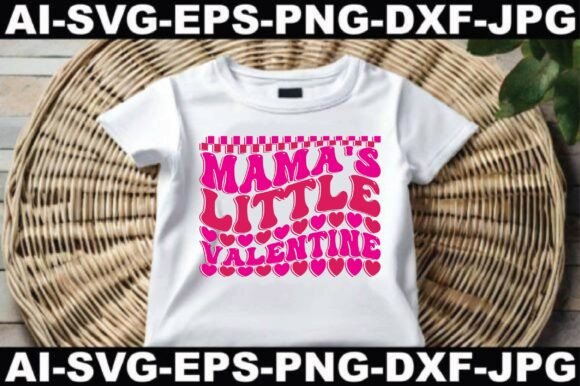
Mama s Little Valentine Embroidery Review
As a designer who spends more time than I care to admit staring at stitch density charts and debating the merits of various stabilizers, I approach every new digital asset with a healthy dose of skepticism. The market is flooded with generic clip art masquerading as professional embroidery files, so finding something that actually translates well from screen to fabric is rare. That is why I took Mama s Little Valentine for a spin before committing it to any client projects or my own small shop inventory. This retro-themed design caught my eye not just for its aesthetic, but for its potential versatility in both personal crafting and commercial production.
First Impressions: Mood and Visual Personality
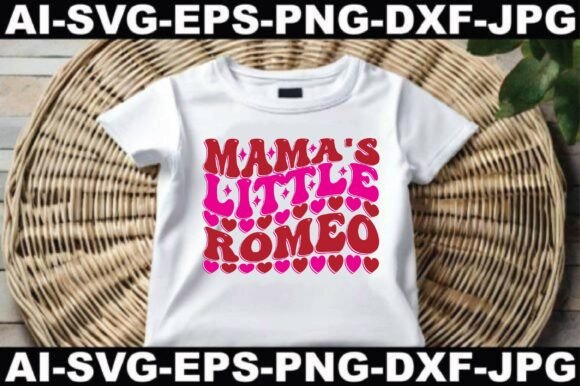
The moment you load this file into your digitizing software, the layout feels intentional. It isn’t cluttered, nor does it feel sparse. The retro Valentine’s Day theme strikes a balance between nostalgic charm and modern minimalism, which is crucial for today’s handmade market. In an era where buyers are moving away from overly cutesy, mass-produced aesthetics toward curated, boutique-style goods, this design fits right in. The visual personality is warm and inviting, suggesting a product that is meant to be held, worn, and cherished rather than just displayed.
From a pure graphic design standpoint, the shapes are clean. For those of us working in T-Shirt Designs and broader Graphics, we know that vector clarity is half the battle. Since the creator worked on the designs in Adobe Illustrator, the source vectors are crisp, allowing for easy scaling without losing integrity. This is a significant advantage when preparing mockups for Etsy listings or custom apparel catalogs, ensuring that what the customer sees online matches the physical reality of the finished product.
Real-World Application: Where Does It Shine?
I tested the conceptual application of this design across several common embroidery project categories to see where it would truly perform. The first scenario that came to mind was a line of personalized baby gifts. A soft onesie or a burp cloth featuring Mama s Little Valentine has immediate emotional resonance. Parents love subtle, stylish nods to holidays, and this design offers that without being loud or overwhelming. It works beautifully as a chest-level accent on a sweatshirt or centered on a bib.
Another strong use case is for tote bag design variations. Imagine a sturdy canvas tote embroidered with this motif near the handle attachment points. It elevates a basic accessory into a statement piece, perfect for an Etsy seller looking to boost their average order value during the February rush. The design’s compact nature means it doesn’t dominate the canvas, leaving room for other branding elements if needed, yet it remains the focal point.
I also considered its viability for apron embroidery and kitchen textiles. A tea towel or a flour sack apron stitched with this retro heart adds a touch of farmhouse chic to any kitchen. It bridges the gap between functional home goods and decorative art, making it an excellent candidate for holiday gift sets. When packaged correctly, these items become high-perceived-value products that customers are willing to pay a premium for because they look professionally finished.
Technical Performance and Stitch Clarity
When evaluating an embroidery file, the devil is always in the details. For Mama s Little Valentine, the key question is how the smaller elements hold up after stitching. In many cheaply digitized files, tiny curves turn into muddy blobs, especially if the stitch density is too high. Based on the provided file types, including SVG, AI, PNG, EPS, DXF, and JPEG, the core artwork appears robust enough to support standard satin stitch outlines and efficient fill stitch fills.
However, caution is required when dealing with textured fabrics. If you plan to embroider this on a chunky knit sweater or a heavy denim jacket, the definition of the finer lines may get lost. In such cases, a heavier stabilizer is non-negotiable to prevent puckering and maintain the sharpness of the retro lines. Similarly, while the design looks great on flat surfaces like tote bags and pillow covers, applying it to curved surfaces like baseball caps requires careful hooping techniques. The curvature can distort symmetrical elements, so testing on scrap material from the actual garment is essential.
Thread color contrast is another critical factor. On dark fabric, the design will pop significantly, creating a striking contrast that draws the eye. On light backgrounds, the choice of thread becomes more nuanced; you might need to adjust the primary colors to ensure the retro vibe isn’t washed out by the fabric tone. Always inspect the design in black and white mockups to verify that the negative space and positive shape balance remains intact regardless of color choices.
Areas for Caution
While versatile, this design is not a one-size-fits-all solution. There are specific scenarios where you should proceed with caution:
- Small Hoop Sizes: If you are working with very limited hoop real estate, ensure the design scales down cleanly. Tiny details can disappear entirely in hoops under 4x4 inches.
- Stretchy Fabrics: Knits require a stretch stabilizer. Without it, the running stitch or satin edges may pucker over time, ruining the professional look of the finished product.
- Dense Stitch Areas: If the design includes dense fill sections, check the back of the work. Excessive density can make the fabric stiff and uncomfortable, particularly on baby embroidery items where softness is paramount.
- Frequent Washing: For items like custom apparel or kitchen towels that will undergo repeated laundering, ensure the thread quality matches the fabric weight to prevent fading or fraying.
Impact on Brand and Customer Trust
In the world of craft business and handmade commerce, presentation is everything. A well-executed machine embroidery design signals professionalism and attention to detail. When a customer receives a personalized gift or a small shop product that features clean stitches, proper tension, and no loose threads, their trust in your brand increases. They perceive the item as higher quality, which justifies the price point and encourages repeat purchases.
Mama s Little Valentine contributes positively to this perception. Its retro aesthetic appeals to a broad demographic, from millennials who appreciate vintage styles to older generations who recognize classic Valentine motifs. By using a design that feels timeless yet current, you position your digital product sellers or physical goods store as trendy and reliable. Furthermore, having high-quality design assets allows you to create consistent printable mockups for your online store, giving potential buyers a clear idea of what they are purchasing, which reduces return rates and customer service inquiries.
Final Designer Notes
Before integrating Mama s Little Valentine into your workflow, remember that digital files are only as good as the execution. Always test the design on scrap fabric first. Check the thread colors against your intended background to ensure adequate contrast. Verify the hoop size requirements to avoid mid-project errors. And most importantly, confirm the licensing terms. While the file formats provided suggest a comprehensive package, you must verify whether you have commercial rights to sell finished items derived from this design, especially if you are operating a commercial embroidery business.
Ultimately, this design is a solid addition to any crafter’s or entrepreneur’s library. It offers the flexibility needed for diverse applications, from holiday embroidery collections to year-round handmade product lines. With careful execution and proper preparation, Mama s Little Valentine can help you create memorable, high-quality pieces that resonate with customers and stand out in a crowded marketplace.