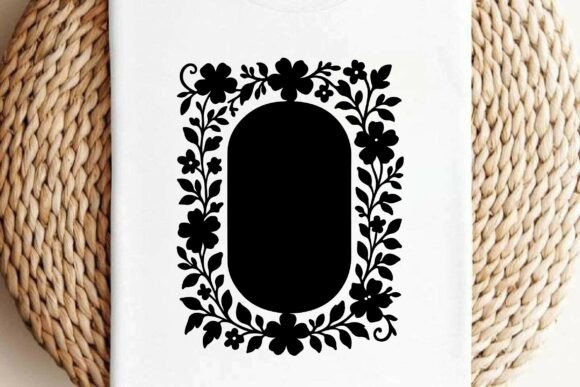
Floral Frame Clipart Vector Design Review
As a designer who spends half the day in vector software and the other half troubleshooting stitch errors on an embroidery machine, I have learned to be skeptical of anything labeled "unique" or "high-quality" without seeing it stitched first. When Floral Frame Clipart Vector Design landed in my inbox as part of a new batch of digital assets, I didn’t just look at the preview image; I looked for flaws. I looked for density issues. I looked for how it would translate from a flat screen into a tangible, wearable object.
This review is not about the marketing copy. It is about whether this design works for real-world applications, specifically for those of us running small businesses, selling on Etsy, or creating personalized gifts for clients. Here is my practical breakdown of how this floral frame performs when moved from the computer screen to the hoop.
First Impressions: Mood and Visual Structure
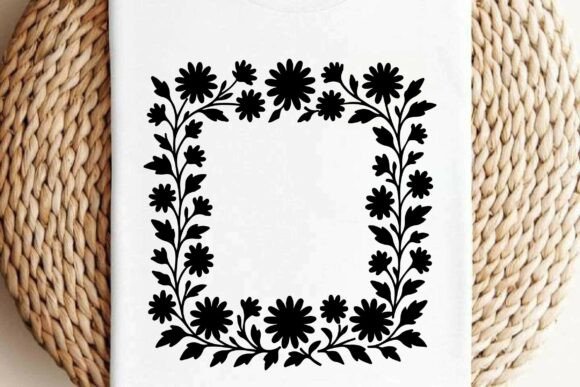
The moment you open the file, the layout speaks before you even touch the needle. A floral frame design inherently relies on balance. If the flowers are too heavy on one side, the eye gets pulled off-center during stitching. In this case, the composition feels grounded. The negative space within the frame is generous enough to allow for text placement or monogramming, which is crucial for custom apparel and boutique branding.
Visually, it carries a soft, romantic energy but retains enough structural definition to hold up under close inspection. This is not a vague, blurry watercolor effect that turns into a muddy mess when digitized. Instead, the petals and leaves have distinct edges. For an illustrations category product, this clarity is vital. It suggests that the underlying vector paths are clean, which means fewer jagged lines and smoother curves when the machine executes the satin stitch outlines.
The mood fits perfectly with spring weddings, nursery decor, and gentle holiday themes. It does not scream for attention like a bold graphic tee print; rather, it whispers elegance. This makes it ideal for products where subtlety is valued over loudness, such as high-end aprons, delicate baby clothes, or refined tote bag designs.
Real-World Application: Where This Design Shines
I tested the mental simulation of this design across several common craft business items. Here is where I see the highest potential for customer satisfaction and repeat sales.
- Custom Tote Bags: A floral frame centered on a canvas tote is a classic bestseller. Because the design is a frame, it naturally contains other elements. You could place a client’s name in the center, turning a generic bag into a personalized gift. The structure prevents the embroidery from looking cluttered, even if the fabric texture is rough.
- Baby Embroidery: For onesies or burp cloths, intricate details can sometimes look overwhelming. However, the open nature of this frame allows for large, soft stitches that are safe for sensitive skin. It translates beautifully into pastel thread colors, creating a timeless piece that parents keep long after the baby outgrows the item.
- Kitchen Towels and Aprons: There is a rustic charm to floral motifs in the kitchen. On a tea towel or a linen apron, this design adds a touch of farmhouse style without dominating the workspace. It pairs well with simple running stitch borders, adding depth to what might otherwise be a plain utility item.
- Embroidered Patches: If used as a standalone motif, the frame shape lends itself well to patch creation. The defined border acts as a natural edge, reducing the need for excessive backing stabilizer and making the final product easier to iron-on or sew onto denim jackets and caps.
For Etsy sellers and small shop owners, versatility is currency. This design offers multiple use cases within a single file set, allowing you to list the same asset for different niches—home decor, apparel, and accessories—without creating new designs from scratch.
Technical Considerations and Stitch Behavior
While the visual appeal is strong, the true test of any machine embroidery design is its technical execution. Here is what you need to watch out for when digitizing or using pre-digitized files of this type.
Stitch Density and Fabric Texture: Floral frames often involve overlapping petals. If the stitch density is too high, the fabric can pucker, especially on lightweight materials like voile or thin cotton. Conversely, if the density is too low, the satin stitches may look sparse and fail to cover the base fabric. Always check the underlay stitches in your digitizing software. For textured fabrics like towels or fleece, you may need to increase the tension slightly to ensure the threads lay flat.
Small Details and Corners: Pay close attention to the inner corners of the floral elements. Tiny points can become lost if the hoop size is too small or if the resolution of the output is low. If you plan to use this for custom apparel with fine lettering inside the frame, ensure the remaining space is sufficient. Crowded designs reduce readability and make the finished product look amateurish.
Thread Color Contrast: The success of this design hinges on color choice. On dark fabric, light thread colors will pop, but you may need more passes of fill stitch to achieve opacity. On light fabric, darker threads provide sharp contrast. Test your thread colors on scrap fabric before committing to the final product. A mismatch here can ruin the elegant mood the design intends to convey.
Where to Use Caution
Not every surface is suitable for this design. Avoid placing detailed floral frames on highly stretchy knits without proper stabilization, as the distortion can warp the symmetry of the frame. Similarly, curved surfaces like baseball caps require careful hooping techniques to prevent the top and bottom arcs of the frame from distorting. If you are working with dark fabric, consider using a cut-away stabilizer to support the weight of the embroidery over time, ensuring the finished product withstands frequent washing.
Practical Advice for the Designer
Before you rush to produce a batch of merchandise, follow these steps to protect your reputation and your investment.
- Test on Scrap Fabric: Never assume a design will work because it looks good on screen. Stitch it out on the actual fabric you intend to sell. Check for puckering, thread breaks, and alignment issues.
- Review in Black and White: Convert your mockup to grayscale. This helps you assess the contrast and value distribution of the design without the distraction of color. If the details disappear in black and white, they will likely get lost in the stitch work.
- Check Licensing: Since this is a digital product, verify the commercial use rights. Can you sell unlimited finished items? Are there restrictions on the number of units? Clear licensing protects your craft business from legal issues.
- Inspect Small Details: Zoom in on the digital file. Are the paths closed? Are there unnecessary anchor points that could cause the machine to slow down or stop? Clean vectors result in cleaner stitches.
- Consider the End User: Think about who is buying the item. Is it a gift? Does it need to be durable? A handmade product sold as a premium item must reflect quality in every stitch.
Final Verdict
Floral Frame Clipart Vector Design is a solid addition to any designer’s library. It balances aesthetic appeal with functional structure, making it suitable for a wide range of embroidery projects. From holiday embroidery gifts to everyday commercial embroidery pieces, this design offers the flexibility needed to create professional-looking results.
It is not a flashy, trend-chasing graphic, but rather a timeless tool. For creative entrepreneurs and makers who value consistency and quality, this design provides a reliable foundation for building a brand. Just remember: the magic happens in the stitching, not just the drawing. Take the time to test, adjust, and refine, and you will find that this floral frame delivers exactly what customers expect—a touch of beauty, stitched with care.
If you are looking for design assets that elevate your printable mockups and enhance your brand consistency, this is a worthy candidate. It respects the medium of embroidery while leveraging the precision of vector graphics. Proceed with confidence, but always verify your settings before the needle hits the fabric.