Tree Clipart Vector Silhouette Design Review
As a designer who spends half my life staring at stitch charts and the other half trying to convince clients that embroidery isn’t just for monogrammed towels, I approach every new digital embroidery file with a healthy dose of skepticism. The market is flooded with clip art that looks great on screen but falls apart under the needle. Today, I’m putting the Tree Clipart Vector Silhouette Design through its paces. This isn’t just about whether it’s pretty; it’s about whether it works when you’re trying to sell a handmade product or create a meaningful personalized gift.
First Impressions: Mood and Visual Personality
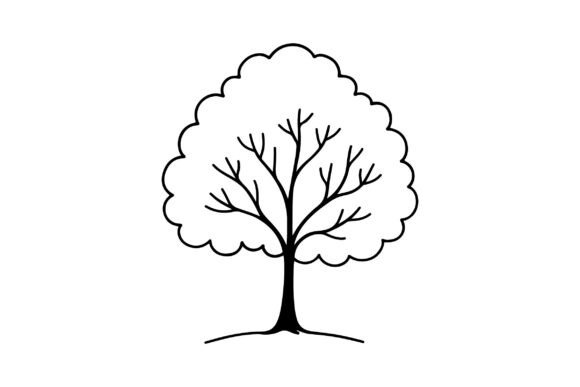
When I first opened the ZIP folder containing this machine embroidery design, the immediate takeaway was clarity. In the world of illustrations and graphics, silhouettes are a double-edged sword. They can be strikingly elegant, or they can look like flat, lifeless cutouts if not executed with care. This design strikes a balance that feels organic yet structured. The tree shape carries a natural, grounding energy—perfect for brands or projects that want to evoke stability, growth, or rustic charm.
The visual personality here is versatile. It doesn’t scream for attention with overly complex details that might get lost in stitching; instead, it relies on strong form. For an Etsy seller or small shop owner, this kind of clean aesthetic is gold. It translates well across mediums, meaning your printable mockup will look professional, and the actual finished product will hold up to scrutiny. It feels less like generic clip art and more like a curated design asset meant for serious crafters.
Real-World Application: From Screen to Stitch
Let’s talk about how this embroidery project plays out in real life. Imagine you are preparing a batch of custom tote bags for a local craft fair. You need something that reads quickly from three feet away but still rewards a closer look. The Tree Clipart Vector Silhouette Design fits this bill perfectly. Because it is a silhouette, it creates a bold contrast against most fabric backgrounds. Whether you are using a heavy canvas bag or a softer cotton blend, the design maintains its integrity.
I also envision this working beautifully for sweatshirt embroidery. A large, centered tree silhouette on the back of a crewneck sweatshirt exudes a modern, minimalist vibe that is currently trending in boutique apparel. It’s subtle enough to be worn daily but distinct enough to serve as a conversation starter. For aprons used in kitchen settings or by food bloggers, this design adds a touch of warmth without being cluttered. It suggests a connection to nature and home, which resonates deeply with customers looking for handmade products with soul.
Another strong use case is baby embroidery. While trees often signify ruggedness, a stylized silhouette can feel gentle and nursery-appropriate, especially when paired with soft pastel threads. It works well on muslin blankets, hooded towels, or the pocket of a baby onesie. It’s a timeless motif that parents appreciate because it grows with the child—it doesn’t feel "toddler-specific" in a way that makes it obsolete in two years.
Technical Considerations and Fabric Constraints
No design is perfect for every situation, and honest review requires pointing out where caution is needed. The Tree Clipart Vector Silhouette Design relies heavily on solid shapes, which means stitch density becomes critical. If you are planning to use this on textured fabrics like bouclé wool or heavy denim, you must ensure your stabilizer choice is robust enough to prevent puckering. The weight of the fill stitches needs to be supported properly.
Be careful with small hoop sizes. If you attempt to shrink this design down too much, you risk losing the definition of the branches. On thin fabric or stretchy knits, such as a lightweight t-shirt, there is a risk of distortion if the underlay stitches aren’t balanced correctly. I always recommend testing on scrap fabric first to see how the thread tension interacts with your specific material. If you are working with dark fabric, the contrast will be high, which is generally good, but you’ll need to choose thread colors carefully to avoid harsh visual edges unless that is the intended effect.
Also, consider the surface curvature. If you are applying this to a cap or hat, remember that a flat vector silhouette might not drape naturally over the curve of the crown. You may need to adjust the placement or angle during digitizing to ensure it sits right. Avoid using this design for tiny lettering or extremely small accents, as the silhouette style loses impact at very small scales. It shines best when given some breathing room on the garment or item.
Stitch Types and Execution
While the prompt describes this as a vector silhouette, in an embroidery context, this usually translates to a combination of fill stitch for the body and perhaps a satin stitch for any defined borders or leaf outlines. If the design includes intricate internal details, those would likely use running stitch or lighter fill patterns. Understanding how these stitches interact helps you anticipate the final texture. A dense fill can make a tote bag stiff, so checking the hoop size relative to the garment panel is essential to avoid bulkiness.
Value for Commercial Use and Branding
For the creative entrepreneur, the value of this design lies in its adaptability. It supports brand consistency because the simple shape is easily recognizable. You can change the thread colors to match seasonal themes—greens for spring, oranges for autumn, white for winter—without changing the core identity of your brand. This flexibility is crucial for holiday embroidery collections, allowing you to refresh your inventory quickly.
Customer trust is built on quality presentation. When a buyer receives a personalized gift with crisp, clean stitching that matches the online image, their perception of your professionalism skyrockets. This commercial embroidery friendly design reduces the risk of returns due to poor stitch quality, provided you follow basic testing protocols. It elevates the perceived value of your craft business items, making them feel less like mass-produced goods and more like artisanal creations.
Practical Designer Notes Before You Start
Before you commit to a full production run, keep these tips in mind:
- Test First: Always stitch a test version on your actual target fabric. Check for thread breaks, tension issues, and stabilizer residue.
- Contrast Check: Review the design in black and white mockups to ensure the silhouette stands out against your chosen fabric color.
- Licensing: Confirm the license terms. Ensure you have the right to sell finished items made with this digital product if you intend to use it for small shop products.
- Thread Selection: Experiment with different thread colors. Metallics might add luxury, while matte cotton threads enhance the rustic feel.
- Stabilizer Match: Use the appropriate stabilizer (cut-away vs. tear-away) based on the fabric’s stretch and durability requirements.
In summary, the Tree Clipart Vector Silhouette Design is a solid, practical addition to any embroidery file library. It offers the versatility needed for everything from kitchen towels to boutique branding. It respects the limitations of the medium while maximizing visual impact. For designers looking to expand their range with reliable, aesthetically pleasing assets, this design delivers on its promise of quality and utility.