Love in the Air Embroidery Review
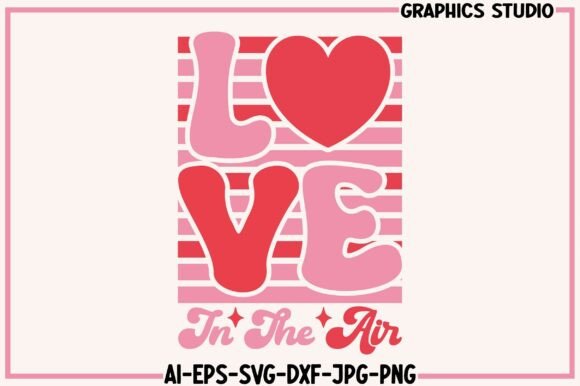
As a designer who spends half my day staring at stitch paths and the other half trying to explain to clients why their logo won’t work on a baseball cap, I approach every new digital asset with a healthy dose of skepticism. We have all seen those flashy previews that look stunning on screen but turn into a muddy, tangled mess once they hit the hoop. That is exactly why I am reviewing Love in the Air, a Retro Valentine’s Day Svg Design, before committing it to any real-world production run.
This product comes as a comprehensive bundle including an SVG file, AI file, PNG transparent EPS file, DXF file, and JPEG file. The creator notes that these were worked on in Adobe Illustrator, which immediately raises my eyebrows in a good way. Vector-based origins usually mean cleaner lines and better scalability for both digital printing and embroidery digitizing. But does it translate well to thread? Let’s dig into the practical realities of using this design for your craft business or personal projects.
First Impressions and Visual Personality
The title "Love in the Air" suggests something light, whimsical, and perhaps a bit nostalgic. When you look at the preview files, the retro aesthetic is clear. It leans into that mid-century modern vibe that has been dominating the handmade market for the last few years. For a T-Shirt Designs category item, this fits perfectly into the current trend of vintage-inspired apparel.
Visually, the layout feels balanced. It isn’t cluttered, which is the biggest killer of embroidery designs. Too many designers try to cram too much detail into a small space, resulting in a blob of color rather than a distinct image. This design seems to breathe. The visual personality is warm and inviting, making it ideal for personalized gift items. It doesn’t scream; it whispers. That subtle confidence is what makes a product feel premium rather than cheap.
Real-World Application: Where Does It Shine?
I like to imagine this design on specific products to see if it holds up. My first scenario was a custom embroidered tote bag design for a local boutique. A canvas tote provides a sturdy, flat surface, which is forgiving for most stitching. If I were to place "Love in the Air" centered on a heavy-duty cotton canvas bag, the retro theme would pop against the natural fabric texture. It would appeal strongly to the Etsy seller looking for quick, high-margin holiday inventory.
Another strong use case is sweatshirt embroidery. Imagine a cream or heather grey crewneck with this design placed slightly off-center over the heart. The contrast between the soft fleece texture and the crisp lines of the design (assuming proper digitization) would create a tactile experience that customers love. It feels cozy and romantic without being overly cliché.
For baby embroidery, this design could work beautifully on muslin burp cloths or hooded towels. The gentle curves and nostalgic feel are perfect for nursery decor or a new parent gift. However, this requires careful attention to thread choice. You wouldn’t want harsh neon colors here; muted pastels or classic reds and pinks would maintain the integrity of the retro mood.
Apparel and Accessories
- Custom Apparel: Great for t-shirts and long-sleeve tees where the design acts as the main focal point.
- Caps and Hats: While possible, curved surfaces require a pre-formed hat frame. The design needs to be simple enough to not distort on the curve.
- Embroidered Patch: This could easily be digitized as a separate patch element, adding a layering effect to jackets or bags.
Technical Considerations and Potential Pitfalls
No design is flawless, and knowing where a design might struggle is just as important as knowing where it succeeds. Here is where I would exercise caution with "Love in the Air."
Small Hoop Sizes: If you plan to use this in a 4x4 hoop, you need to check the scale. If the design includes fine details or tiny lettering, shrinking it down can cause the stitches to merge. Always inspect small details before finalizing the size. If the original vector has thin lines, ensure the digitizer has converted them into satin stitch or fill stitch appropriately so they don’t break during sewing.
Fabric Texture and Stability: This design likely relies on clean lines. Textured fabrics, like boucle or heavy tweed, can hide the definition of the stitches. Similarly, stretchy fabrics can cause puckering if the stabilizer isn’t chosen correctly. For a machine embroidery design like this, using a cut-away stabilizer for knits and a tear-away for wovens is standard practice, but testing on scrap fabric is non-negotiable.
Dense Stitch Areas: If the design uses heavy fill stitch, it can become stiff and uncomfortable on garments like baby clothes or lightweight tees. Check the stitch density. If it feels too rigid, consider simplifying the digitization by using fewer passes or switching to a lighter fill pattern.
Designer Notes for Production
Before you rush to produce fifty units for a craft fair, follow these practical steps to ensure quality control.
- Test on Scrap Fabric: Never go straight to the final product. Sew the design on the same type of fabric you intend to sell. This reveals how the thread colors interact with the material.
- Check Contrast: View the design in black and white mockups. Sometimes a color combination looks great in RGB but lacks contrast in thread form. Ensure the dark threads stand out against light fabrics and vice versa.
- Hoop Size Confirmation: Verify the dimensions of the design relative to your machine’s hoop capabilities. Avoid designs that are too close to the edge of the hoop, as this increases the risk of needle strikes.
- Stabilizer Selection: Use the proper stabilizer for the fabric weight. A light tea towel needs different support than a thick apron.
- Licensing Check: Since this is a digital embroidery file sold for potential commercial use, read the license agreement carefully. Confirm whether you are allowed to sell finished products made from this design. Some licenses restrict commercial sales or limit the number of units you can produce.
Impact on Brand and Customer Trust
In the world of handmade products, presentation is everything. A well-executed embroidery project signals professionalism. When a customer receives a hoodie with "Love in the Air" stitched cleanly, with no loose threads and accurate registration, it builds trust. It tells them that you care about the details.
Conversely, a poorly executed design can damage your brand reputation. If the retro theme is lost due to poor color choices or if the design looks distorted because of incorrect scaling, the perceived value drops. This design has the potential to elevate a simple small shop product into a boutique-level item, provided it is handled with technical precision.
Final Verdict
"Love in the Air" appears to be a solid addition to the library of any craft business owner focusing on Valentine’s Day or year-round romance-themed goods. Its retro charm is timeless, and its vector origin suggests versatility. Whether you are creating holiday embroidery collections, wedding gifts, or everyday custom apparel, this design offers a reliable foundation.
Just remember: the file is only as good as the execution. Take the time to test, adjust, and refine. By paying attention to stitch density, fabric choice, and stabilization, you can turn this graphic into a tangible, profitable, and beautiful finished product. For the discerning maker, it is a worthy candidate for your next production run.