Frog SVG Line Art Embroidery Review
As a designer who spends half my life staring at stitch density charts and the other half trying to convince clients that "simple" doesn't mean "cheap," I approach every new digital asset with a healthy dose of skepticism. The market is flooded with generic clipart, but finding a design that translates cleanly from a screen to a hoop requires more than just a pretty picture. It requires structural integrity, clear lines, and a personality that survives the tension of embroidery thread.
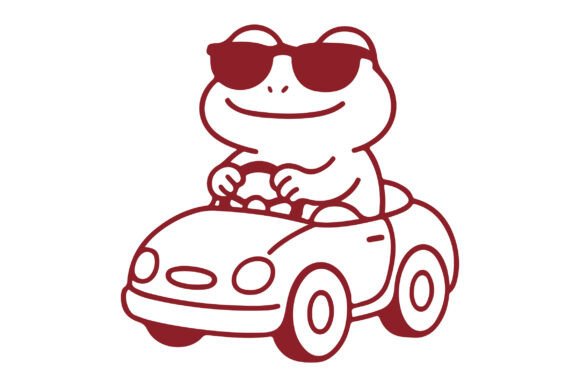
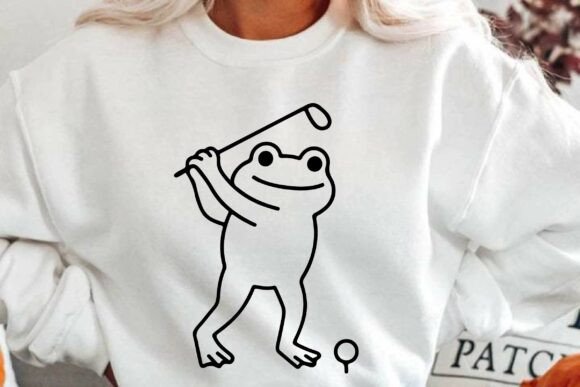
I recently put the Frog SVG PNG Line Art Clipart Cut File through its paces in my studio. My goal wasn't just to see if it looks good as a flat image—because yes, it does—but to evaluate it as a functional machine embroidery design for real-world applications. If you are an Etsy seller, a small shop owner, or a crafter looking to elevate your handmade product line, here is my honest breakdown of how this design performs when stitched out.
The First Impression: Mood and Visual Personality
When you first open the ZIP folder containing this digital embroidery file, the immediate takeaway is clarity. In the world of Illustrations and Graphics, line art can often feel sterile or overly rigid. However, this particular frog design strikes a balance between whimsical charm and professional precision. The line weight appears consistent, which is crucial for satin stitch execution. If the lines were too thin, they might break; if too thick, they would lose their delicate character.
The visual personality of the frog is approachable. It isn’t hyper-realistic, nor is it overly cartoonish. This neutrality makes it incredibly versatile. It fits naturally into themes ranging from rustic farmhouse decor to modern nursery aesthetics. For a custom apparel decorator, this means you aren't locked into one specific demographic. A customer buying a sweatshirt embroidery piece for themselves might appreciate the cute factor, while a boutique buyer might see the clean lines as perfect for a minimalist brand identity.
Real-World Application: From Screen to Stitch
To truly test this design, I imagined it on three distinct products, each presenting different challenges for the embroiderer.
- The Custom Tote Bag: This is perhaps the most common use case for craft business sellers. Placing a line-art frog on a canvas tote requires a design that stands out without overwhelming the fabric. Because the design relies on clean outlines rather than heavy fills, it works beautifully on textured fabrics like jute or heavy cotton canvas. The running stitch elements (if present in the converted file) would add a subtle texture that complements the weave of the bag, creating a tactile handmade product that feels premium.
- Baby Apparel and Nursery Decor: Softness is key here. When digitizing this for baby embroidery, the lack of aggressive angles is a major plus. It translates well to onesies, burp cloths, and crib sheets. The design’s simplicity ensures that even on delicate, stretchy knits, the embroidery won’t cause puckering, provided the correct stabilizer is used. It evokes a sense of calm and playfulness, making it an excellent choice for personalized gift items where emotional connection drives sales.
- Holiday and Seasonal Gifts: While frogs aren't traditionally associated with every holiday, their universal appeal allows them to be themed easily. Imagine this line-art frog holding a tiny pumpkin for autumn or nestled in snow for winter. The clean lines make it easy to swap out thread colors to match seasonal palettes. For an Etsy seller, this versatility means one digital asset can generate multiple listings throughout the year, maximizing your return on investment.
Technical Performance and Stitch Clarity
One of the biggest risks with line art in embroidery is the "blob effect," where fine details merge together due to stitch density. Based on the vector quality of the source SVG, this design seems to maintain its integrity. The curves of the frog’s body and the definition of its eyes are distinct enough to hold their shape after stitching.
However, attention must be paid to the thread colors. Since this is a line-art design, contrast is everything. On dark fabrics, you will need a bright, high-visibility thread color (like white, neon yellow, or silver metallic) to ensure the design pops. On light fabrics, darker threads provide a classic, elegant look. I strongly advise testing the design in black and white mockups before committing to expensive specialty threads. This helps you visualize the negative space and ensure the frog’s silhouette remains recognizable regardless of the background fabric.
Where to Exercise Caution
No design is perfect for every surface. Here are a few scenarios where you should proceed with caution:
- Small Hoop Sizes: If you plan to scale this down significantly for tiny accents or miniature patches, inspect the smallest details closely. Very small line art can sometimes become indistinguishable once stitched, especially if the thread is thicker than the intended line width.
- Textured and Stretchy Fabrics: While stable fabrics like denim or cotton blend work well, highly textured materials (like bouclé) or extremely stretchy synthetics can distort the clean lines of the frog. Always use a cut-away stabilizer for these challenging fabrics to prevent shifting.
- Curved Surfaces: Attempting to embroider this directly onto a curved cap brim or a rounded pillow corner requires advanced hooping skills. The perspective distortion can alter the frog’s proportions, making it look stretched or squashed. Flat surfaces are best for maintaining the designer’s original intent.
Professional Notes for Designers and Sellers
Before you upload this to your shop or start production, keep these practical tips in mind:
- Test on Scrap Fabric: Never assume a digital file will stitch perfectly. Run a test on the actual fabric type you plan to sell. Check for thread breaks, puckering, or misalignment.
- Verify Licensing: Although this is a digital product, always confirm whether the license allows for commercial use of finished goods. Selling embroidered items made from this design is different from selling the digital file itself. Ensure you have the right permissions to avoid legal issues.
- Inspect Small Details: Zoom in on the digital file. Are there any stray anchor points or overlapping paths that could confuse your embroidery software? Cleaning up the vector before converting to an embroidery file can save hours of troubleshooting.
- Consider the End User: Think about how the finished product will be cared for. Machine-washable items require durable stitching techniques. If the design includes long satin stitches, consider reinforcing them with additional tack-down stitches to prevent snagging during washing.
Final Verdict
The Frog SVG PNG Line Art Clipart Cut File is a solid addition to any designer’s library. It offers a clean, professional aesthetic that translates well across various mediums, from custom apparel to home decor. Its strength lies in its simplicity and adaptability, allowing creators to focus on branding and marketing rather than fighting with complex digitization issues.
For small shop product owners and creative entrepreneurs, this design provides a reliable foundation for building a cohesive collection. Whether you are creating a line of nursery decor, expanding your holiday embroidery offerings, or simply adding a touch of whimsy to your tote bag design, this frog brings a level of polish that customers appreciate. Just remember: the magic happens in the execution. Take your time with the setup, choose your threads wisely, and let the design speak for itself.